Quick answer
Pregnancy massage is a full-body massage adapted for pregnancy. You lie on your side, the work avoids the abdomen, and the therapist is trained for a pregnant body.
Pregnancy massage is a full-body massage adapted for a pregnant body. You lie on your side rather than on your front, the work stays away from the abdomen, and the pressure and positioning are adjusted for the changes pregnancy brings. The aim is the same as any good massage: to ease the muscle tension, the aches, and the tiredness that build up, done in a way that is comfortable and safe while you are expecting.
It is sometimes called prenatal massage. The women I see usually just call it pregnancy massage, so that is the term I use here.
How is it different from a normal massage?
The difference is in the positioning, the areas worked, and the training. A standard massage often has you lying face-down, which is not an option once your bump grows, and lying flat on your back is uncomfortable and not recommended later in pregnancy.
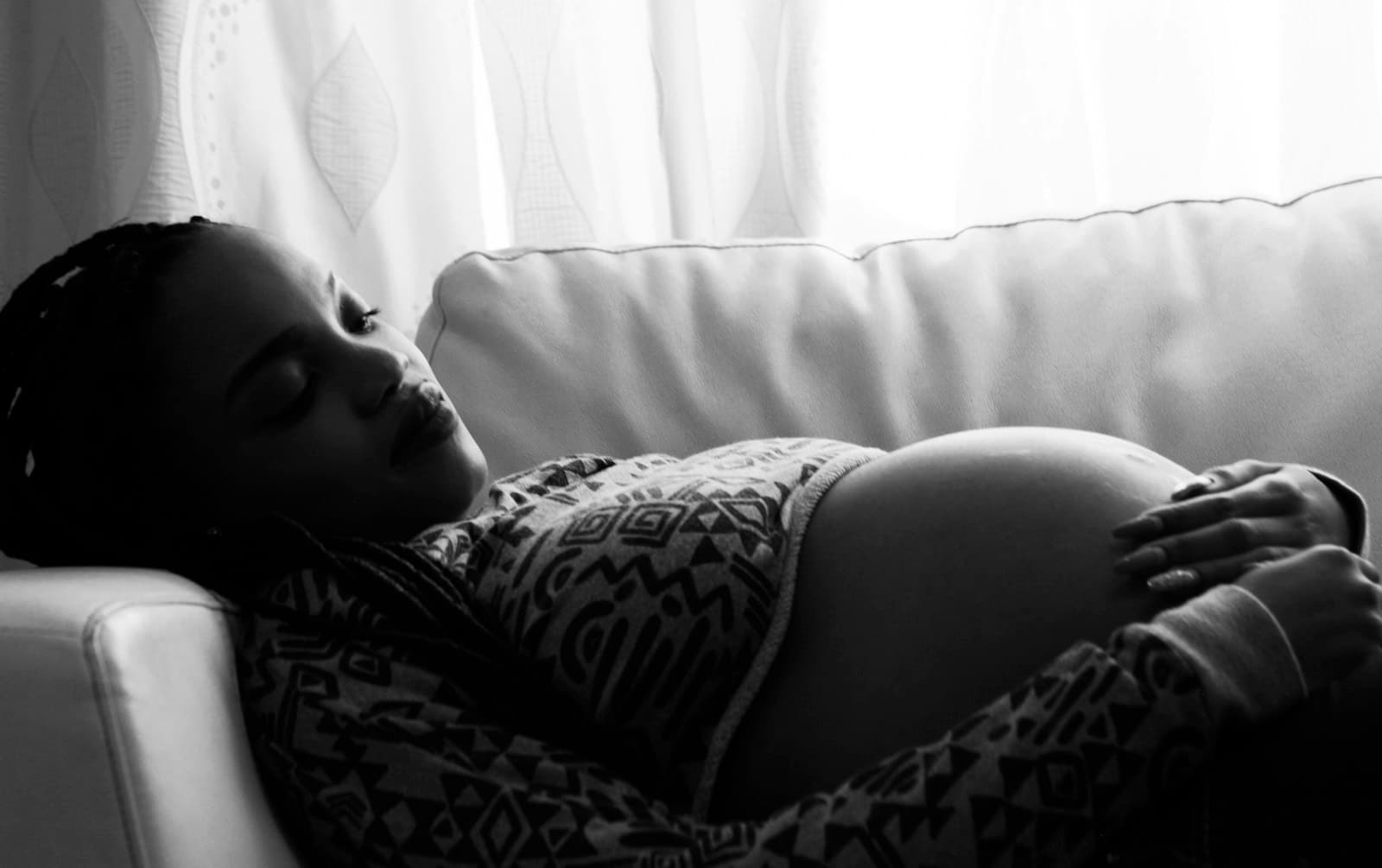
Pregnancy massage solves this by working you on your side, supported with pillows and cushions so your back, hips, and bump are all held. From there I can reach the parts of the body that carry the most strain in pregnancy: the lower back, hips, shoulders, neck, legs, and feet.
The other difference is that the abdomen is not massaged, and a therapist trained in pregnancy massage knows which areas to keep light and how to position you safely as your body changes.
What does pregnancy massage help with?
Pregnancy asks a lot of the body in a short space of time. Your posture shifts as your bump grows, your ligaments soften, and the extra weight changes how you stand, walk, and sleep. That shows up as tension and aches in predictable places.
Women most often come to me for:
- Lower back and hip pain from the change in posture and weight
- Tight shoulders and neck, often made worse by broken sleep
- Swollen, heavy legs and feet, eased with gentle, upward work
- Poor sleep, anxiety, and feeling overwhelmed, an hour to switch off
Massage will not fix a medical problem, and it is not meant to. What it does is ease the muscular load and give you a calm hour in a body that has not felt like your own for a while.
The aim is the same as any good massage. The difference is in the positioning, the areas worked, and the training behind it.
When can you have it?
In my studio, pregnancy massage is available from 12 weeks onward, once you are into the second trimester. Most therapists and insurers use the same point, and it is the simplest answer to the common worry about the early weeks.
From 12 weeks right through to your due date, massage can be adapted to wherever you are. The positioning and focus change as your bump grows, but there is no later cut-off: many women come in the final weeks, when the aches are at their worst.
If you have any pregnancy complication, the honest answer is to check with your midwife or GP first. There are a small number of situations where massage should wait, and I would always rather you ask. Read more about when to wait.
How the positioning works
You lie on your side on the massage bed, with a pillow under your head, a cushion supporting your bump, and another between your knees. It is genuinely comfortable, and many women tell me it is the most settled they have felt lying down in weeks. You stay covered with towels throughout, except the area being worked.